Partners in Rural Empowerment and Development (PARED), led by Director Assani S. M. Tampuri, has been working with communities in the North-East region to improve household nutrition using practical, locally available solutions.
During the Good Growth Project (2015 to 2018) in the East Mamprusi District, cooking demonstrations were a key activity. Although the region has access to nutritious, iron rich green leafy vegetables such as kenaf leaves, cultural beliefs, food taboos, and certain cooking methods often reduce their nutritional value. This contributes to challenges in meeting the dietary needs of children under five years of age and women of reproductive age.
To address this, cooking demonstrations were conducted across 60 communities by trained peer educators to promote improved food preparation practices.
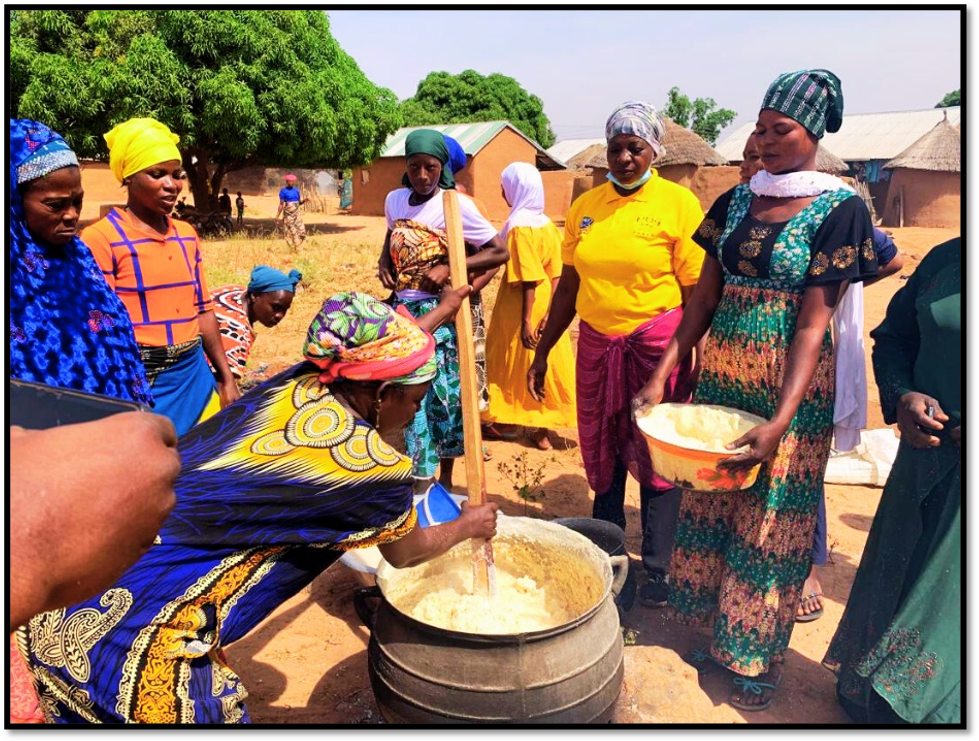
The project worked with Women in Agricultural Development (WIAD) of the District Agriculture Development unit to guide the demonstrations, focusing on combining food groups, increasing protein intake, promoting soya bean recipes, and improving iron content in family meals.
Demonstrations were organized at zonal and community levels, where peer educators were trained and supported to replicate the sessions within their communities. While the project supported mobilization and ingredients, communities also contributed firewood, utensils, and locally available food items, strengthening participation and ownership.
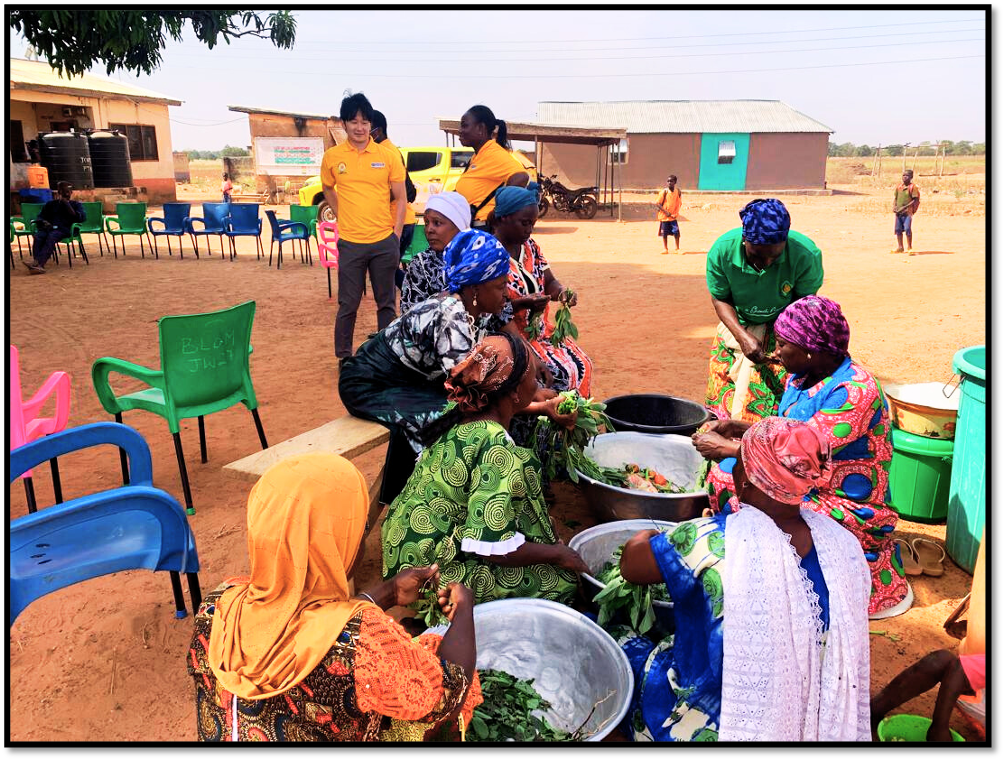
Following requests from community workers during an orientation meeting, cooking demonstrations have been reintroduced in selected communities through a partnership with KOKO Plus Foundation.
This phase has recorded significant success and has expanded beyond the original focus of the demonstrations.
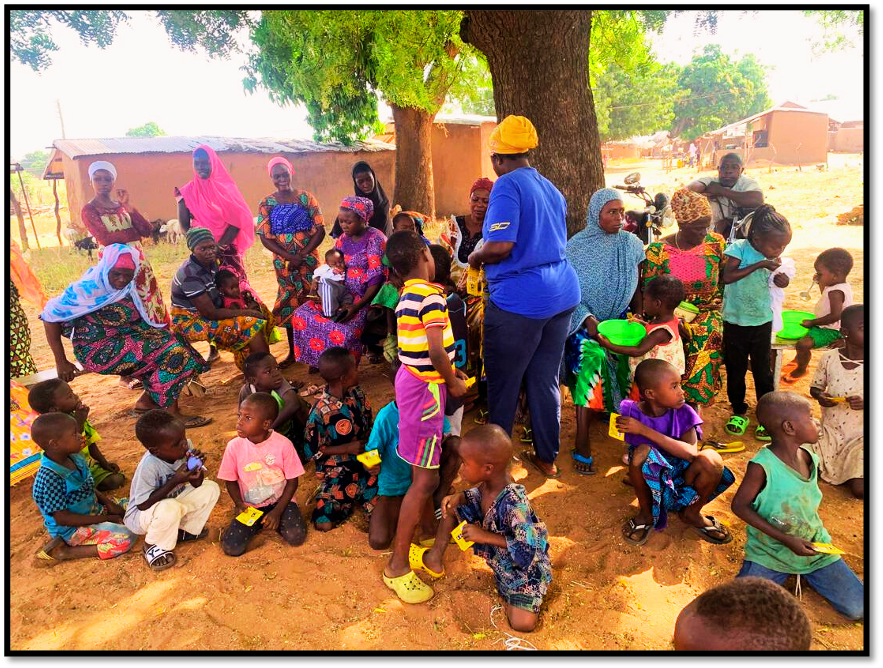
With great success, the cooking demonstrations have moved from their original objective to also include what is referred to as a “sales drive of KOKO Plus”. Through these sessions, caregivers are encouraged to buy KOKO Plus for their children.
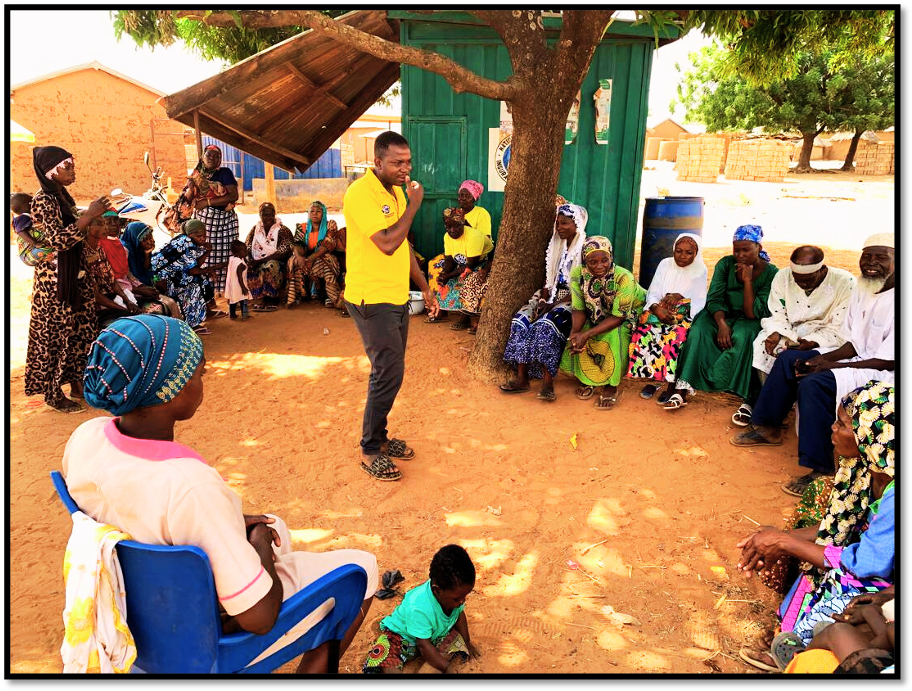
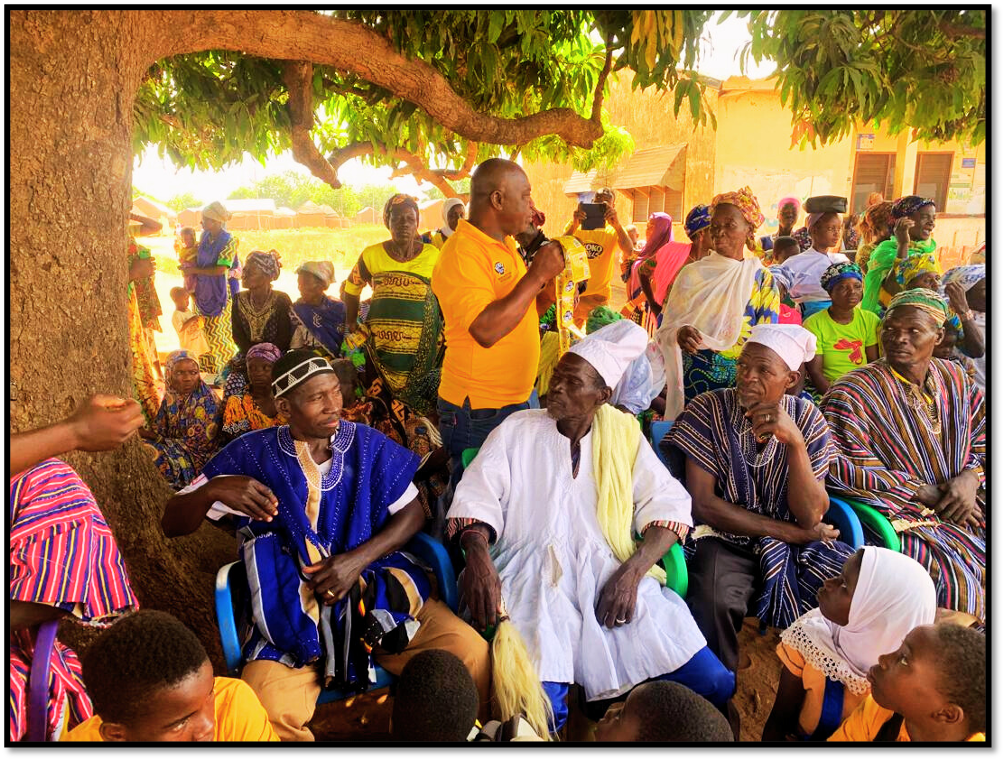
During the sessions, the PARED team engaged caregivers on key topics including hygiene, dietary diversity, and the importance of adequate nutrition within the first 1,000 days of life.
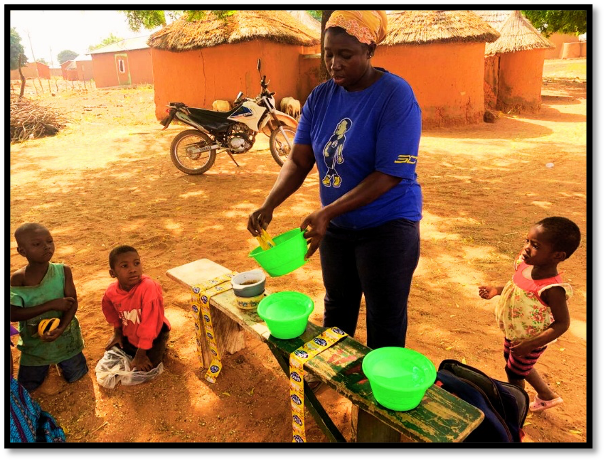
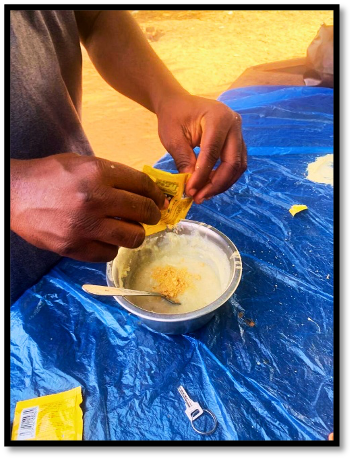
Caregivers are shown how to properly add KOKO Plus into commonly prepared meals such as porridge and Tuo Zaafi, and they are given the opportunity to practice this during the demonstrations. This practical approach helps caregivers better understand its benefits and supports both use and purchase at the household level.
In this way, the demonstrations are not only creating awareness but also supporting improved feeding practices through increased access to KOKO Plus.
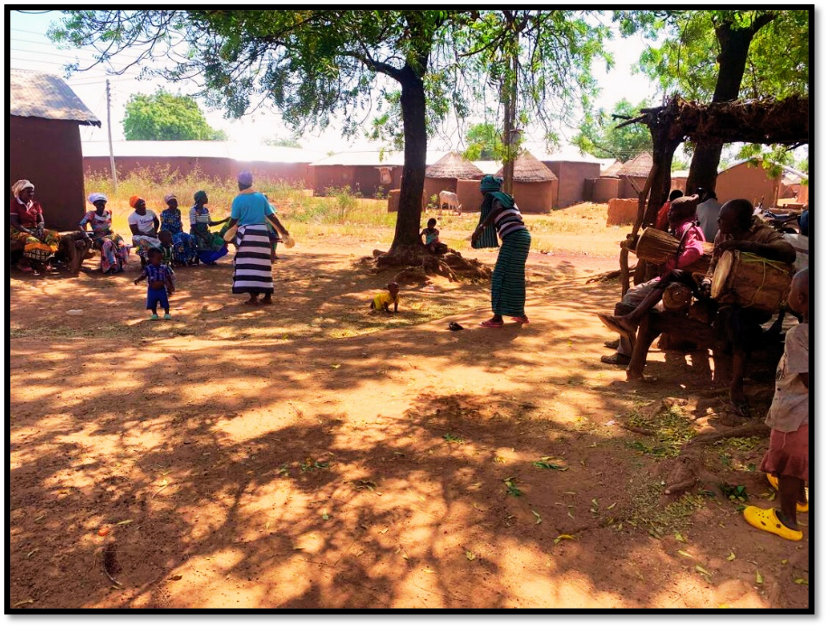
Beyond nutrition education, the cooking demonstrations created opportunities for community engagement and participation. In several communities, activities were accompanied by drumming, dancing, and shared meals, fostering a sense of ownership and collective involvement.
The contributions of community members, including provision of firewood, utensils, and ingredients—further strengthened participation and sustainability.
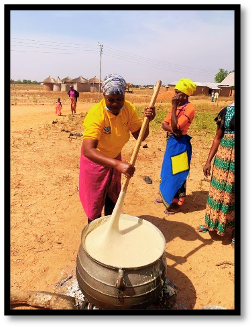
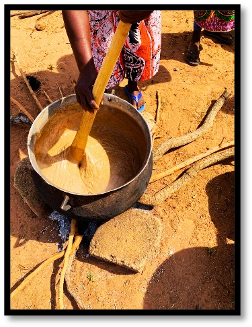
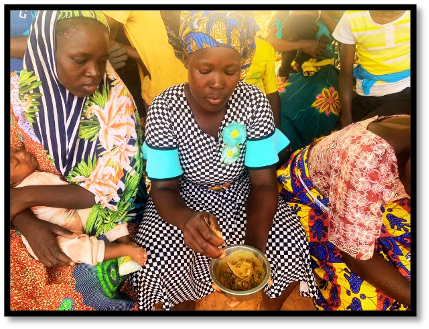
The cooking demonstrations are highly participatory, involving caregivers, volunteers, and children in the preparation of meals such as maize porridge, Tuo Zaafi with soya bean flour, groundnut soups, and biri soup.
Participants take part in food preparation, cooking, and tasting, which reinforces learning through practice. The sessions also create space for interaction, shared experiences, and community engagement around child nutrition.
The collaboration between KOKO Plus Foundation and PARED highlights the importance of community-based approaches in improving child nutrition. By linking practical nutrition education with the promotion and use of KOKO Plus, caregivers are supported to adopt improved feeding practices that contribute to better growth and health outcomes for children.
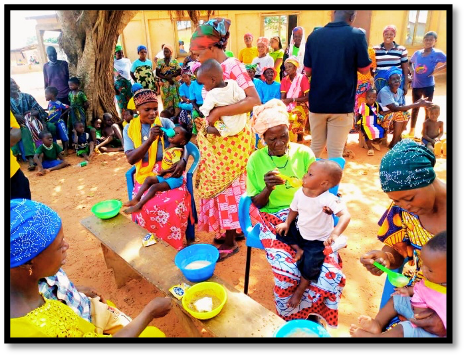
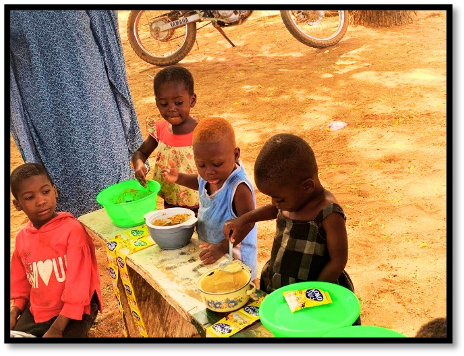
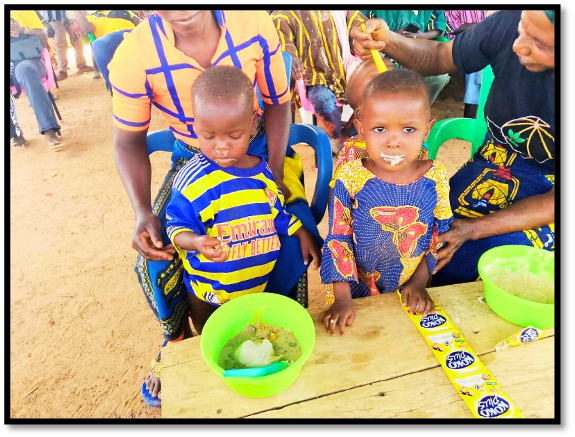
Children were actively present during the sessions, observing and tasting the meals, which further reinforced the acceptability of the improved recipes.
We aim to achieve Sustainable Development Goals (SDGs) through the Ghana Nutrition Improvement Project (GNIP)